Memory Clinic
For people noticing changes in memory, focus or thinking, and for families who want a clearer picture. We look at sleep, metabolism, lifestyle and brain function together, and plan practical next steps.
Body Mind Medical brings together functional neurology and integrative functional psychiatry in six specialist clinics, based in Macclesfield, Cheshire.
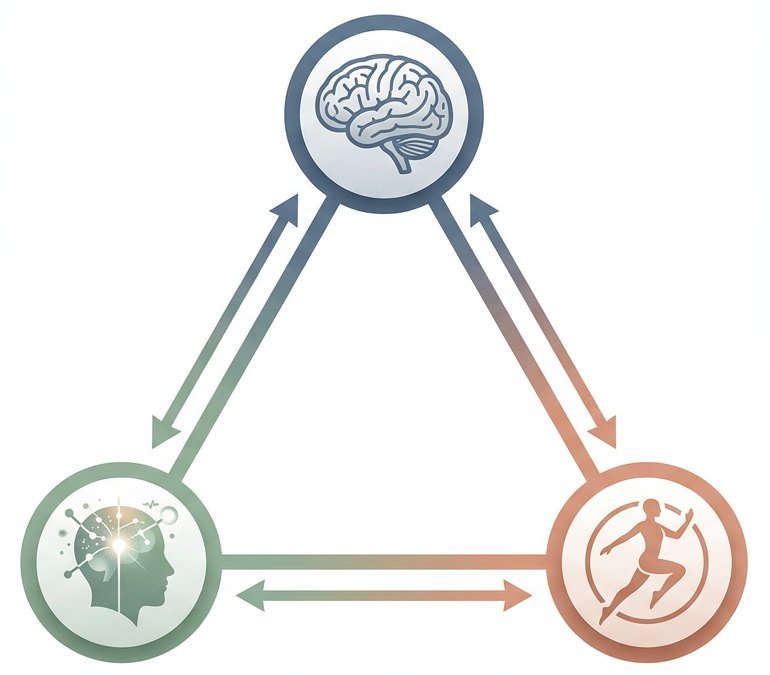
We take time to understand how your brain, body and daily life connect, then build a plan that fits you, alongside your GP and any existing care.
Illustration only, not an anatomical map.
Each clinic has its own website. Choose the one closest to what you or your family need; if you are not sure, get in touch and we will help you find the right place to start.
For people noticing changes in memory, focus or thinking, and for families who want a clearer picture. We look at sleep, metabolism, lifestyle and brain function together, and plan practical next steps.
Assessment and ongoing support for children and adults who find attention, focus and organisation hard work. Clinical review sits alongside practical strategies, nutrition and lifestyle support.
A neurodiversity-affirming service for autistic children, young people and adults, and their families. We focus on understanding each person's needs, sensory profile and overall wellbeing.
Support for anxiety, depression, bipolar disorder and anger management, including persistent worry, panic, low mood, mood swings and difficulty managing anger. Alongside talking and practical approaches, we look at the nervous system, sleep, hormones, gut health and the patterns of everyday life.
For people who struggle to fall asleep, wake through the night or wake up unrefreshed. We look at body clock, stress, hormones, blood sugar, gut health and daily habits together, working alongside your GP, to help restore deeper, more restorative sleep.
For people living with brain fog, mental exhaustion or fatigue that does not lift with rest. We look at sleep, energy, blood sugar, hormones, gut health and inflammation together, and plan practical steps to help you feel clearer.
Symptoms rarely have a single cause. We look at how the nervous system, body and environment interact, and use that picture to guide care that is personal to you.
We start with your story: history, sleep, diet, stress, relationships and goals, not only a list of symptoms.
Plans are based on careful assessment and reviewed over time, so we can adjust what is and is not helping.
We work alongside your GP, NHS teams and other professionals, and never ask you to stop existing treatment without proper medical advice.
Looks at how well different parts of the nervous system are working and communicating, using clinical examination to understand patterns in movement, balance, attention and sensory processing.
Considers mental health within the context of the whole body and life, combining established psychiatric thinking with attention to nutrition, sleep, physiology and lifestyle.
Your brain does not work in isolation. It is in constant two-way conversation with your gut, immune system, hormones and the world around you. Signals travel from body to brain and back again, shaping how you think, feel, remember and cope.
When one part of this system is under strain, the effects often show up somewhere else: brain fog after poor sleep, low mood alongside digestive problems, anxiety that rises and falls with hormones. Understanding these links helps explain symptoms that can otherwise feel random or frustrating.
We focus on four areas that research increasingly connects with brain and mental health, and assess each one through detailed symptom profiles and, where necessary, advanced laboratory testing.
Your gut holds around 100 million nerve cells, so many that it is sometimes called the second brain.
The gut and brain talk constantly through the vagus nerve, the immune system and chemical messengers. The trillions of microbes living in your gut help produce compounds involved in mood and stress, and most of the body's serotonin is made in the gut. Research is exploring how gut health, inflammation and the microbiome relate to anxiety, low mood, focus and memory.
How we assess: digestive and symptom history, and where helpful, comprehensive stool analysis, intestinal permeability and food reactivity testing.
The brain is one of the most hormone-sensitive organs in the body.
Thyroid hormones influence energy, thinking speed and mood. Cortisol, the main stress hormone, follows a daily rhythm that affects sleep, focus and resilience. Oestrogen, progesterone and testosterone shape mood and memory, which is why many people notice changes around puberty, pregnancy, perimenopause and andropause. Blood sugar and insulin balance matter too, because the brain is a very hungry organ.
How we assess: symptom and cycle history, and where helpful, thyroid, adrenal, sex hormone and metabolic profiles.
During deep sleep, the brain runs its own cleaning system, clearing away waste built up during the day.
Sleep is when memories are consolidated and emotions are processed, and even a few poor nights can affect mood, attention and appetite. Movement increases BDNF, a protein that supports the growth and connection of brain cells. Nutrition, daylight, stress, alcohol, screen time and social connection all add up, day after day, to shape how well the brain works.
How we assess: sleep, activity and lifestyle questionnaires, and where helpful, nutritional and metabolic testing.
What we breathe, eat, drink and live among can all reach the brain.
Research continues to explore links between brain health and exposures such as air pollution, mould, heavy metals and some everyday chemicals. Some people are more sensitive to these exposures than others, depending on their genetics, gut health and detoxification capacity. Light, noise, relationships and a sense of safety are part of our environment too, and matter just as much.
How we assess: a detailed home, work and exposure history, and where helpful, environmental toxin, mycotoxin and organic acid testing.
Every assessment begins with you. Detailed symptom profiles and questionnaires help us see patterns across gut, hormones, sleep, lifestyle and environment, and decide which questions are worth investigating further.
Where it is genuinely useful, we use advanced laboratory testing from three internationally recognised specialist laboratories, each a leader in its field. We only recommend a test when the result is likely to change your plan, and we explain every result in plain English.
A pioneer of functional laboratory testing for over 35 years, known for in-depth digestive, nutritional and hormone profiles.
Widely used in neurodevelopmental and mental health work, with a particular focus on metabolism and environmental exposures.
Specialises in immune reactivity testing, helping to explore links between the gut, the immune system and the brain.
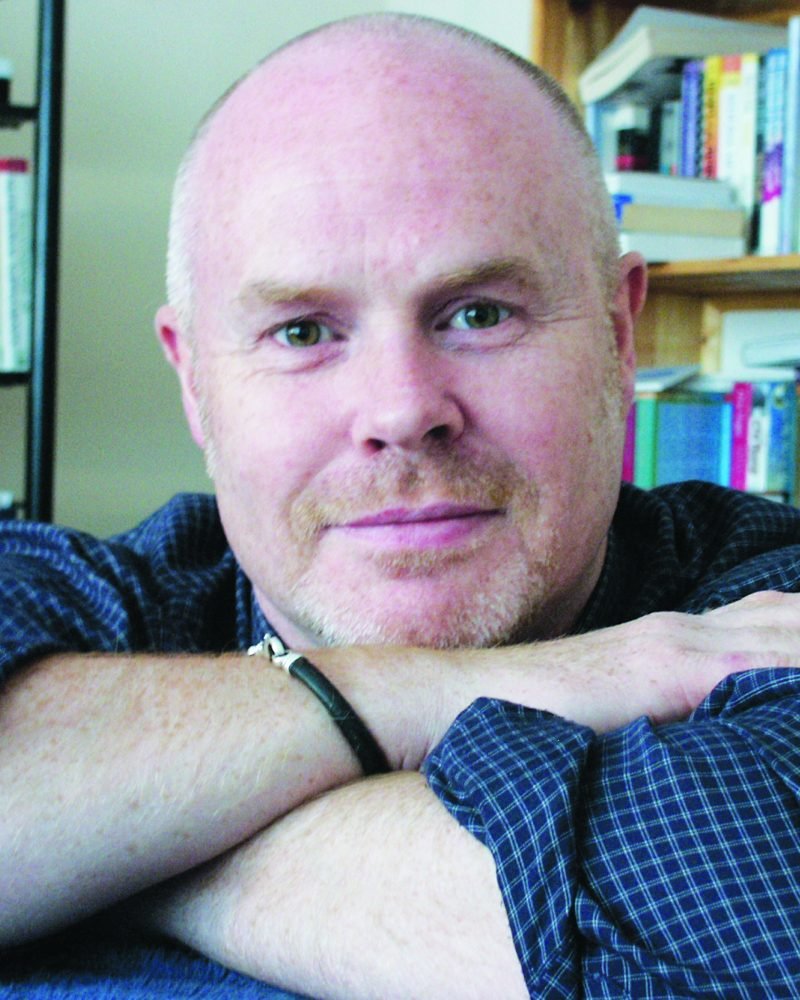
Founder · CFMP, CFN-S
Alan founded Body Mind Medical to bring together the disciplines that shape his own practice: functional medicine, functional nutrition, and functional and integrative psychiatry. His work starts from a simple question: what is happening in this person's body and life that might be affecting how their brain feels and works?
Over years in practice, Alan has seen how often memory, focus, mood, anxiety and energy are connected, and how often people feel passed between services without anyone joining the dots. At Body Mind Medical he looks carefully at nutrition, digestion, blood sugar, sleep, stress and lifestyle alongside each person's history and goals, and turns that picture into a clear, practical plan.
Alan works personally with every client across all six clinics, so you see the same practitioner from first conversation to follow-up. His standards are simple: unhurried assessment, honest explanation, and care that sits alongside your GP and NHS services rather than replacing them.
“The people I see are rarely one diagnosis. They are a whole person, with a history, a family and goals of their own, and that is where good care starts.”
Biography and quote are placeholder wording for Alan to edit.

Whichever clinic you choose, the first steps are the same, and you can ask questions at any point.
Get in touch and Alan will talk through what is going on and which clinic is likely to suit you best.
A full session with Alan to understand your history, current health and what you would like to change.
You receive a clear, written plan with recommended next steps, which we review together as things progress.
Start here
Your first full consultation with Alan, where we look at the whole picture together.
£125 60 minutes
Book a Discovery ConsultationNext step
An in-depth assessment that brings everything together into your written plan.
£175 90 minutes
Book a Full Consultation£175 per session
Each session lasts 60 to 90 minutes, so there is time to listen properly. Laboratory tests are optional and priced separately; you will always know the cost before anything is ordered.
Book a consultationIf your question is not answered here, get in touch and Alan will be happy to help.
Sessions are £175 and last 60 to 90 minutes. Any laboratory tests are optional and charged separately, and we always discuss the cost with you before anything is ordered.
Every session is with Alan Lee, a Certified Functional Medicine Practitioner (CFMP) and Certified Functional Nutritionist, Specialist (CFN-S). You see the same practitioner throughout, whichever clinic you start with.
Choose the clinic closest to your main concern. Many people have more than one, such as ADHD alongside anxiety, and that is fine: the approach is the same across all six, and we will look at the whole picture.
We go through your health history, current symptoms, sleep, diet, stress and lifestyle, and what you would like to change. You may be asked to complete symptom questionnaires beforehand so the session can focus on you.
No. Many people make good progress from a careful assessment alone. Tests are only suggested when the result is likely to change your plan, and the choice is always yours.
No. Our work complements care from your GP, NHS and other professionals. Please do not stop or change any prescribed medication without speaking to the doctor who prescribed it.
No referral is needed; you can book directly. If you would like, we can share a summary of your plan with your GP.
Please ask when you get in touch, and we will let you know the options available.
Send us a question, or ask for a free 20-minute conversation. We can help you choose the right clinic, answer questions about appointments and fees, and arrange your first consultation. Alan will reply personally, usually within two working days.